




Escape from Wormwood
 (Пока оценок нет)
 Loading...
Popular tags


Similar Games








Popular tags


Description
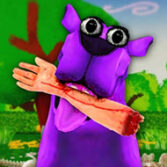
You wake up bound in a dim, unfamiliar room with the taste of wormwood berries still on your tongue, and the last clear memory you have is wandering further from home than you should have. Escape from Wormwood puts you in Drop’s paws for this one, and the small, curious mouse who normally just wants to see what is past the treeline finds herself locked in a room controlled by a cult that does not plan on letting her leave quietly.
| Genre | Horror visual novel |
| Setting | Same universe as Lonely Wolf Treat |
| Core Mechanic | Narrative choices and environmental observation |
| Playtime | One sitting, jam-length visual novel |
Reading the Room in Escape from Wormwood
There is no combat here and no inventory to manage. The entire game runs on dialogue, pacing, and paying attention to details the cult members drop without meaning to. Symbols scratched into the walls, a change in tone from one of your captors, a detail mentioned once and never repeated: these are the actual tools you have, and missing them is what gets Drop hurt.
Most first-time players fail the opening room because they treat it like a normal visual novel where clicking through dialogue is safe by default. It is not. Escape from Wormwood expects you to slow down and actually read the cult’s rituals as information rather than flavor text, and players who rush end up making a choice that closes off a safer path without realizing it happened.
Returning fans of Lonely Wolf Treat will recognize names woven into the background, including Trick and Loam, and those connections reward people who already know how Drop ended up here in the first place, even though the story stands on its own for newcomers.
The Choices That Shape Escape from Wormwood
- Early choices with the masked cult members set the tone for how much they trust you, and that trust quietly determines what options are even available later.
- Environmental details like the wall symbols are not optional lore. They telegraph what the cult expects from you in the next scene, and ignoring them is the single most common way a run ends badly.
- Escape is treated as a goal to work toward gradually through accumulated small decisions, not a single puzzle you solve at the very end.
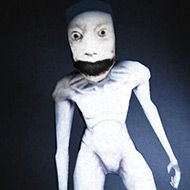
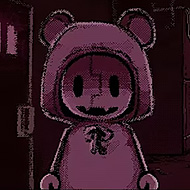
What makes Escape from Wormwood stand out in a genre full of jump scares is how much it leans on dread instead. The masked figure tormenting Drop is small and, on paper, should not be intimidating, but the writing makes every scene with it feel like the room is getting smaller, which is exactly the kind of slow dread this corner of the Lonely Wolf Treat universe is known for.
Escape from Wormwood earns its place next to Lonely Wolf Treat by trusting Drop’s perspective completely, and once you have pieced together what the wall symbols actually mean, the cult stops feeling random and starts feeling like a trap you should have seen coming.