



Save the Shapes
 (Пока оценок нет)
 Loading...
Popular tags


Similar Games






Popular tags


Description
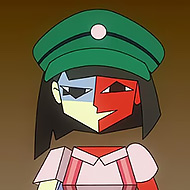
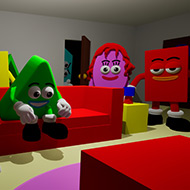
In Save the Shapes you start inside a quiet, unsettling house with no map, no objective marker, and no explanation for why the geometric residents who used to live here are disappearing one by one — which matters, because the whole game is built around you noticing that absence for yourself.
Exploring a House Full of Missing Shapes
Save the Shapes controls a small figure moving through connected rooms filled with symbolic objects and quiet visual details rather than any traditional combat or puzzle system. There are no enemies, no score, and no on-screen objectives — progress comes entirely from paying attention to what’s changed since your last visit to a room, and revisiting spaces you thought you’d already fully explored is a core part of how the story actually unfolds.
The layout stays deliberately simple, but movement through it matters, since certain areas only become meaningful after other parts of the house have already been explored first.
Ricky Rectangle, Sally Square, and the Missing Residents
The house’s former occupants each carry distinct personalities that turn what could have been abstract geometry into something with real emotional weight. Ricky Rectangle is described by players as calm and reliable, which is exactly why his disappearance raises the story’s first serious concern rather than feeling like a minor detail. Sally Square and other named residents follow similar patterns — small, specific character traits that make their absence land harder than a generic missing-persons setup would.
Diamond and the Central Threat
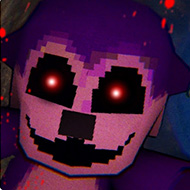
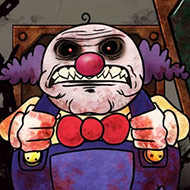
Community discussion around Save the Shapes consistently centers on stopping Diamond, the entity implicated in the shapes’ disappearances, before it’s too late. The game never frames this as a direct confrontation in the traditional sense — there’s no boss fight waiting at the end — but understanding what Diamond represents within the house’s story is the actual throughline connecting every room’s scattered details.
Environmental Storytelling Over Direct Guidance
Save the Shapes intentionally allows confusion to exist rather than explaining itself immediately. The player isn’t told what happened to the shapes or what needs to be done next, and that uncertainty is treated as part of the experience rather than a flaw to be patched out. Certain objects or locations react when approached, while others stay completely silent, and those reactions — or the lack of them — often signal that something has shifted elsewhere in the house even when the change isn’t immediately visible.
Why the Pacing Works for Some Players and Not Others
There’s no rush, no score pressure, and no penalty for taking your time in Save the Shapes, which several players describe as exactly what lets the mood settle properly. Others find the total absence of guidance genuinely disorienting, especially compared to more conventionally structured horror-adventure games — and that split reaction is a fair, honest thing to expect going in rather than a flaw unique to any one player’s approach.
- Players drawn to slow, atmospheric games find the lack of direct guidance central to what makes Save the Shapes work.
- Story-focused players revisit specific rooms multiple times specifically to piece together each resident’s individual fate.
- Players newer to environmental storytelling sometimes need outside guides to fully understand what certain silent objects were signaling.
Save the Shapes turns a house of simple geometric characters into something genuinely unsettling by refusing to explain itself, and once you’ve pieced together what actually happened to Ricky Rectangle and the rest of the missing residents, the quiet, patient pacing that frustrated you at first starts to feel like the whole point.